Green Heritage Homes
Curo is working on an exciting research project aimed at reducing the cost of heating older, listed homes
The project is called Green Heritage Homes. It’s funded by the government and we’re working with Bath and North East Somerset Council (B&NES) and Bath and West Community Energy (BWCE) to deliver it.
To gather the information we need, we're asking some customers who live in these types of homes to tell us more about how much energy they use, and to let us carry out some tests.
What we find out will help us to protect the unique character of local heritage properties and support plans to reduce bills, and tackle issues like damp and mould.
Here you can find out more about the types of tests that we might carry out.
-
Blower Door Test
What does it do?
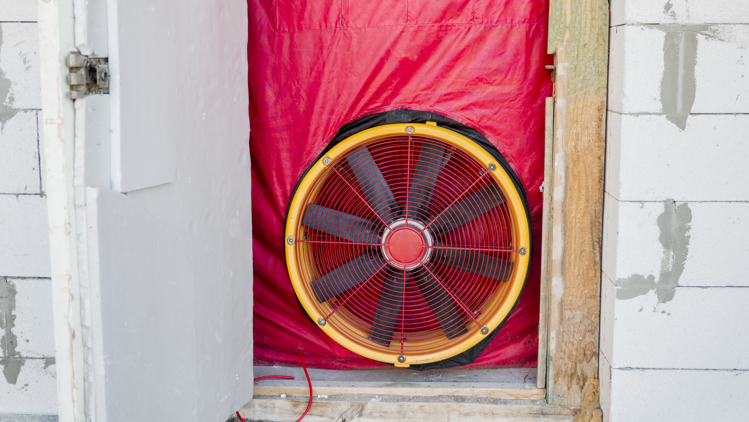
The Blower Door Test Measures how much warm air is leaking out of your home, and how much cold air is leaking in.
What will happen?
- We’ll close or temporarily seal any openings where air gets in or out including doors and windows, chimneys, trickle vents, loft hatches and drainage traps.
- All inside doors will propped open.
- A temporary fan will be fitted into an outside doorway to either pressurise or depressurise the home to find air leaks.
How long will it take? Around 2 hours. One hour to set up and one hour for testing and measuring
What disruption will it cause?
- If you only have one external door, you won’t be able to come in and out of your home for about 2 hours.
- You can stay in your home during the test, but we’ll ask you limit how much you’re moving around for about 30 minutes.

-
Pulse Test
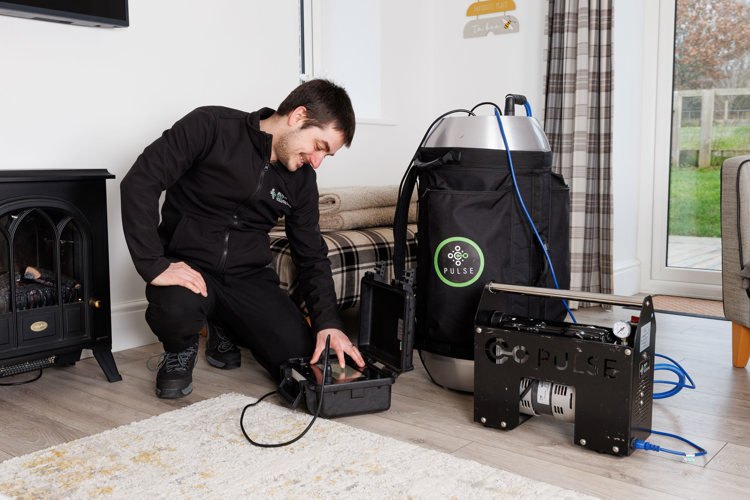
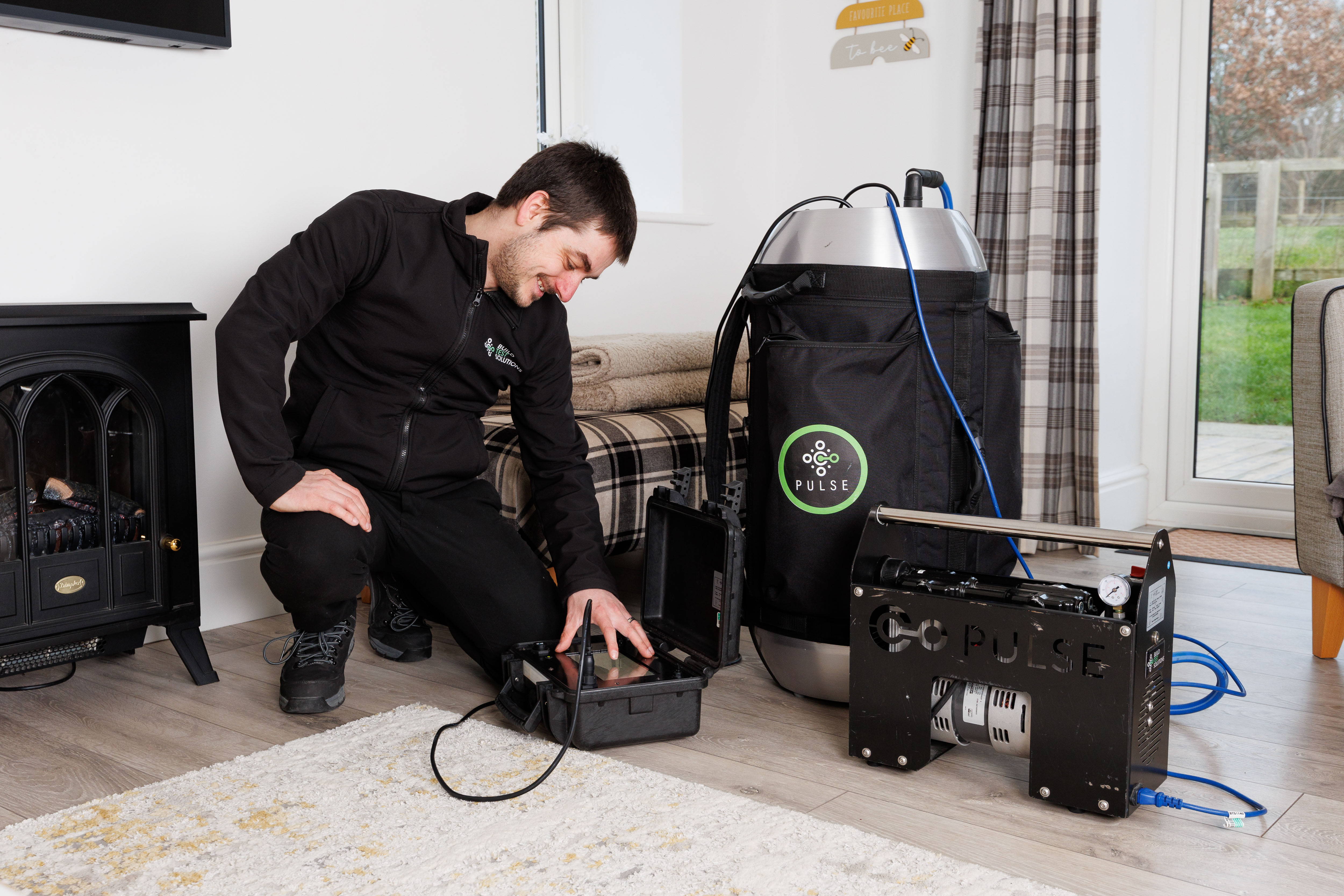
What does it do? The Pulse Test uses a short, controlled air pulse to measure air leakage
What will happen?
- We’ll close or temporarily seal any openings where air gets in or out including doors and windows, chimneys, extractor fans and drainage traps.
- All inside doors will be opened.
- We’ll put a small pulse device in the centre of your home which will release short bursts of air to measure how much air is escaping.
How long will it take? Around an hour - 30 minutes to set up, and 30 minutes for testing and measuring.
What disruption will it cause?
- You can stay in your home during the testing
- There will be some sound from the air release – but it’s not very noisy.
-
2D Heat Flux Measurement
What does it do? This teat measures how much heat is escaping through the walls.
What will happen?
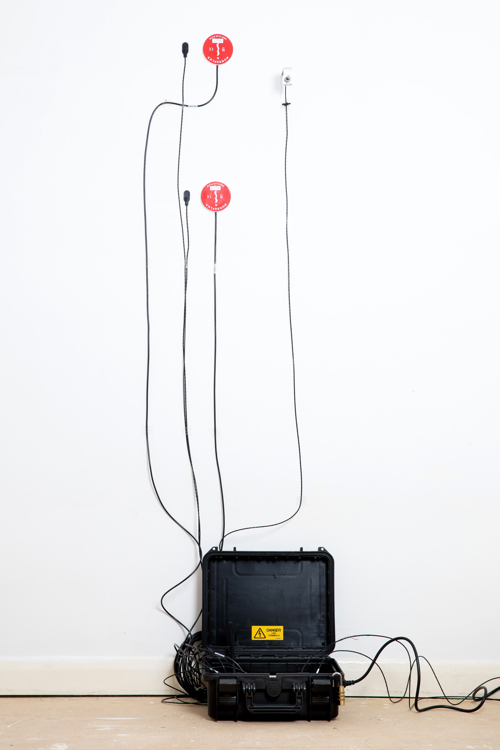
- We’ll put some small sensors on both sides of an external wall to recored surface temperatures and heat flow.
How long will it take?
It takes about an hour to install the sensors, and they’ll be left in place for two weeks.
What disruption will it cause?
- The sensors will be fixed in place using adhesive or small mechanical fittings.
- We’ll ask you not to move or cover the sensors.

-
3D Heat Flux Test
What does it do?
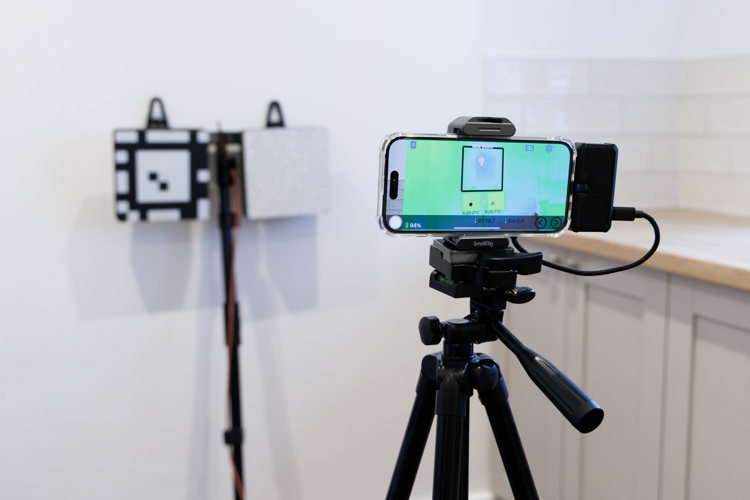
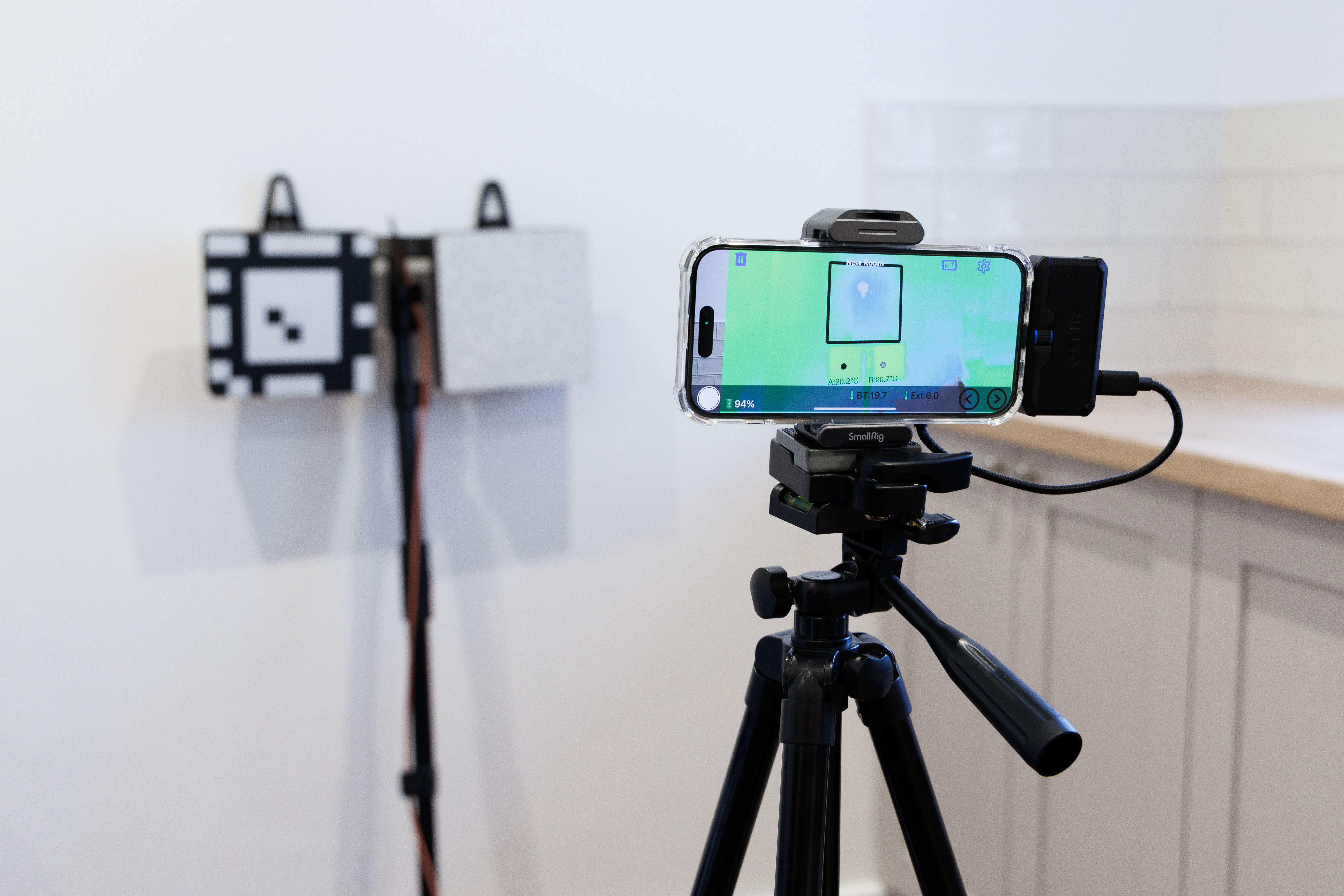
The 3D Heat Flux Test uses infrared to take pictures of walls, floors and ceilings to identify where heat is being lost.
What will happen?
- Technicians will set up an infrared camera to take images of different areas in your home.
How long will it take?
About an hour.
What disruption will it cause?
- The technician will need to go into different rooms, but will only spend a small amount of time in each space.
-
Temperature and Relative Humidity Monitoring
What does it do? This test monitors how temperature and humidity changes over time.
What will happen?
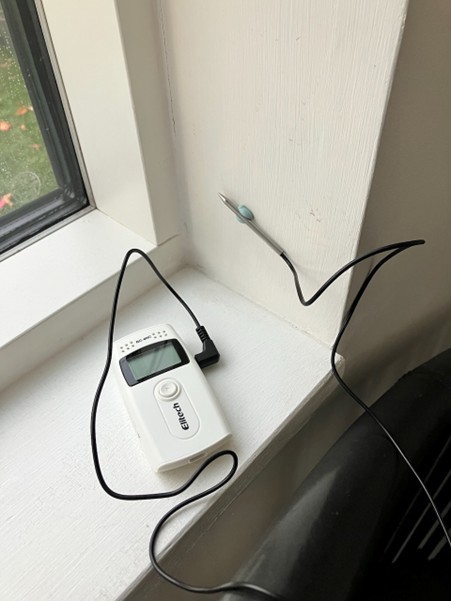
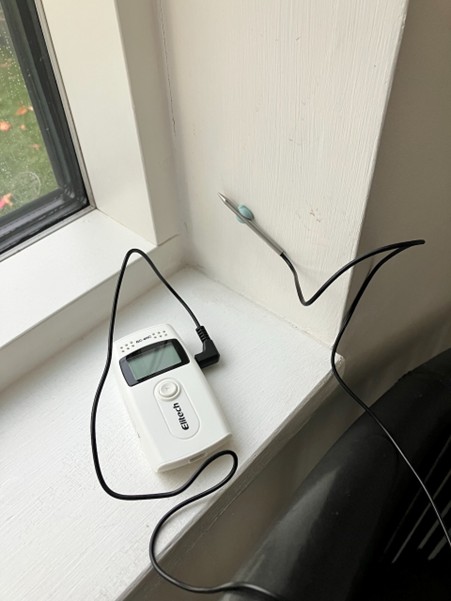
- Two or three small sensors will be put in living areas and/or bedrooms and left in place for a few weeks.
How long will it take? Setting up the sensors will take around 10 minutes.
What disruption will it cause?
- The sensors will be put on shelves or on walls.
- We’ll ask you not to move or cover the sensors.
-
CO2 Monitoring
What does it do? CO2 monitoring measures how well your home is ventilated by tracking carbon dioxide levels.
What will happen?
A small CO2 data logger will be put in the main living area.
How long will it take? It only takes a minute or two to put the sensor in place, but it will need to be in your home for a few weeks.
What disruption will it cause? The monitor is very small, and runs silently. You should barely even notice it’s there.
-
VOC (Volatile Organic Compound) Monitoring
What does it do? VOC monitoring measures the quality of the air in your home.
What will happen? A small data logger is put in your home to check air quality by detecting chemicals from cleaning products, paint, and other materials.
How long will it take? It only takes a minute or two to put the sensor in place, but it will need to be in your home for a few weeks.
What disruption will it cause? None. The monitor is very small, and runs silently. You should barely even notice it’s there.
-
Nitrogen Dioxide (NO2) and Particulate Matter (PM₂.₅) Monitoring
What does it do? This test measures indoor and outdoor pollution levels.
What will happen? Small monitors will be put inside and outside your home.
How long will it take? It will only take a minute or two to put the monitors in place, but they will need to stay there for a few weeks.
What disruption will it cause? None. The monitors are very small, and run very quietly. You should barely even notice they’re there.
-
Radon testing
What does it do? Radon testing detects natural radioactive gas (radon) levels.
What will happen? A small radon detector will be left in a bedroom or living space. After 3 months it will be collected and sent for monitoring.
How long will it take? It only takes a minute to put the detector in place, but it will need to remain undisturbed for 3 months.
What disruption will it cause? None! The detector is very small and silent. You should barely notice it’s there.