

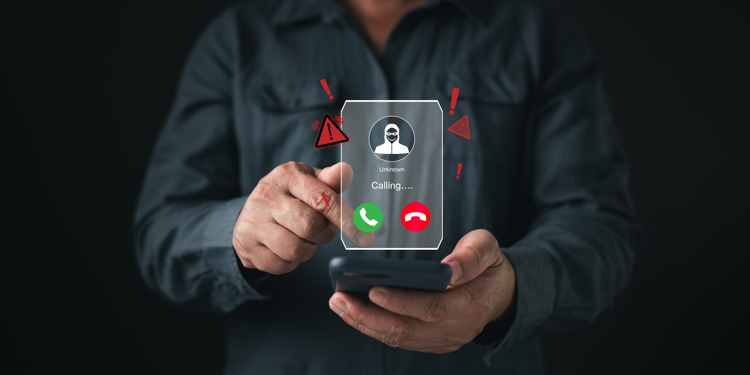
Scam calls have become a frustrating part of modern life, but you don’t need to be an expert to stay safe. With a few simple habits, you can confidently deal with unexpected calls and avoid falling into common traps.
Why scam calls happen
Scammers usually call people to get something valuable, such as money or personal information. They often pretend to be from organisations you trust. For example, banks, delivery companies, government departments, even tech support.
Common signs of a scam call
1. Pressure to act immediately. Scammers often create a sense of urgency to get you to react without thinking things through.
2. Requests for Personal Information. If a caller asks for:
• Passwords
• PINs
• One-time passcodes
• Bank details
…it’s a red flag. Genuine companies don’t ask for sensitive information out of the blue.
3. Unexpected calls about money. Be cautious if someone calls about:
• Refunds you weren’t expecting
• Competitions you didn’t enter
• Bills you’ve never seen
If it sounds too good, or too bad, to be true, it probably is.
4. Caller ID that looks real. Scammers can “spoof” numbers, so they seem to come from your bank or a local business. Don’t rely on the number alone.
What you can do to protect yourself
1. Pause before responding. You’re allowed to take your time. Trust your gut. If something feels off, it probably is.
2. Hang up, it’s not rude. You can always end the call. If you’re unsure, hang up and call the organisation back using a number from their official website. Don’t just call the same number back.
3. Never share sensitive information. Your bank, mobile provider, and government departments will never ask for:
• Your PIN
• Your full password
• Remote access to your device
4. Use call-blocking tools. Most smartphones and phone providers offer:
• Scam call filtering
• Block lists
• “Silence unknown callers” features
These can help to reduce unwanted calls.
5. Check and report suspicious calls. Reporting helps protect others. If you’re not sure they’re who they say they are, you can check the number online using Google, or another search engine, or on a website such as 'who called me'.
If they say they’re from Curo, you can call us on 01225 366000 to check.
If you think you’ve been targeted
Don’t panic. It can happen to anyone, and doing the following quickly can stop further issues:
• Stop communication with the caller
• Contact your bank if you shared financial details
• Change any passwords you may have mentioned
• Report the incident to the appropriate authority
Find out more about different types of scams on the UK Finance Take Five website.